Fire Meets Pour: How Pairing Hot Sauce With Booze Rewires Your Entire Palate
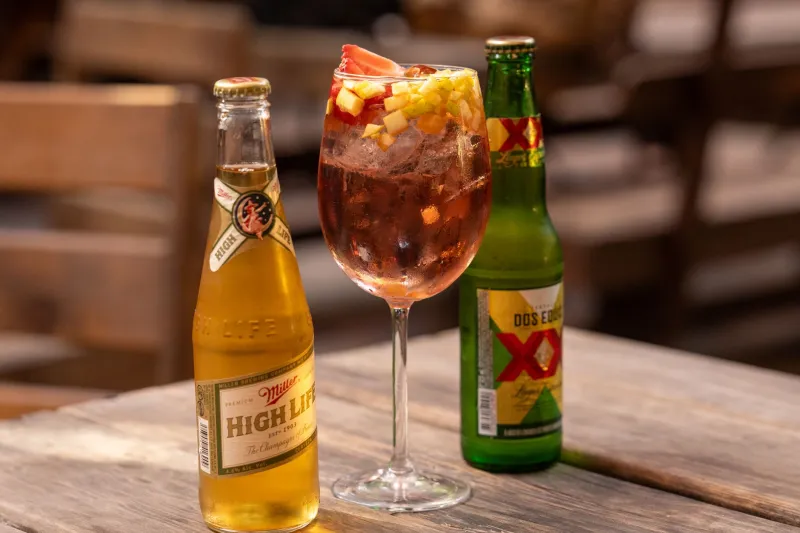
You've probably noticed it without thinking much about it. A sip of cold lager after a spicy wing somehow makes the next bite hit differently. Or maybe that margarita at your favorite taco spot seemed to dial up the salsa's heat until your eyes were watering. That's not your imagination playing tricks. There's real science behind what happens when capsaicin and alcohol share the same sensory stage — and once you understand it, you'll never reach for a random drink alongside your hot sauce again.
Why Alcohol and Capsaicin Are Basically Old Friends
Here's the quick chemistry lesson: capsaicin, the compound responsible for the burn in chili peppers, is fat-soluble and alcohol-soluble. That means ethanol can actually bind to capsaicin molecules and move them around your mouth in ways that water simply can't. Depending on the alcohol concentration and the flavor profile of your drink, that interaction can either spread the heat more evenly across your palate or concentrate it in ways that feel almost aggressive.
Low-ABV drinks — think light beers or low-alcohol wines — tend to have a mild dispersing effect, softening sharp heat without completely erasing it. High-proof spirits, on the other hand, can amplify the sensation because they're actively pulling capsaicin into contact with more of your taste receptors. It's not unlike the difference between drizzling hot sauce on a dish versus stirring it in.
"When I'm building a cocktail menu for a restaurant with a spicy food program, I think about it the way a chef thinks about fat content," says Marcus Delray, a Houston-based mixologist who's spent years pairing craft cocktails with heat-forward menus. "Alcohol is a solvent. It changes how heat moves through a dish or across your tongue. Ignore that and you're leaving a lot of flavor on the table."
Beer: The Obvious Choice That's More Nuanced Than You Think
Beer is the default hot sauce companion for most Americans, and honestly, it earns that status — but not all beers are created equal when there's capsaicin in the picture.
Carbonation plays a surprisingly important role. The CO2 bubbles in beer create a mild irritation on their own, which can compound with capsaicin-driven heat if you're not careful. A highly carbonated IPA paired with a vinegar-forward Louisiana-style hot sauce can result in a sharp, almost metallic burn that neither the beer nor the sauce deserves. Contrast that with a smooth, malt-forward amber ale alongside a smoky chipotle sauce — suddenly you're getting a round, almost barbecue-like depth that elevates both.
Hops matter too. The bitter compounds in heavily hopped beers can clash with the bright, fruity notes in fruit-based hot sauces like a habanero-mango blend. Try a hefeweizen or a wheat beer instead. The banana and clove esters that characterize those styles act almost like a flavor bridge, tying the fruit in the sauce to the drink in a way that feels intentional.
Wine: The Underrated Wildcard
Most hot sauce fans don't automatically reach for wine, and that's a missed opportunity. The right wine pairing can completely reframe a sauce's character.
Off-dry Rieslings — slightly sweet, high in acidity — are genuinely exceptional with heat. The residual sugar acts as a buffer for capsaicin, reducing perceived burn while the acidity keeps your palate clean and ready for the next bite. If you've ever had a Thai dish with a glass of Riesling and thought the combination was almost too good to be true, this is exactly why.
Sparkling wines are trickier. Like carbonated beers, the bubbles can push heat perception upward. A Prosecco with a ghost pepper sauce is an experience, but probably not a pleasant one. However, pair that same Prosecco with a mild Calabrian chili oil or a light pepper-forward hot sauce and the effervescence lifts the citrus notes beautifully.
Red wine and hot sauce is where things get complicated fast. High-tannin reds like Cabernet Sauvignon can make heat feel harsher because tannins and capsaicin both create drying sensations on the palate — they stack rather than balance. A low-tannin red like Pinot Noir or a Grenache-based blend is far more forgiving and can actually complement earthy, fermented hot sauces in a way that feels almost like a food pairing in itself.
Spirits: High Risk, High Reward
This is where it gets genuinely exciting — and occasionally humbling.
Tequila and hot sauce have an almost cultural mandate behind them. The agave-forward earthiness of a good blanco tequila plays beautifully with green sauces built on jalapeño or serrano peppers. The vegetal quality in both creates a kind of harmony that's hard to argue with. It's why a spicy margarita isn't just a trend — it's a genuinely logical flavor combination.
Bourbon is a sleeper hit. The vanilla and caramel notes from oak aging soften the perception of heat, which makes it an excellent match for sauces with a lot of complexity — think fermented hot sauces or those with dried chili bases. Sip bourbon between bites of something spiced with a deep, smoky sauce and you'll understand why Southern barbecue culture and whiskey culture have always overlapped.
Delray has a personal favorite that surprises most people: mezcal with a roasted pepper-based sauce. "The smokiness in mezcal and the smokiness in a good roasted hot sauce don't cancel each other out — they amplify each other in this really satisfying way," he says. "It's like turning up the bass on a song that was already good."
Avoid pairing high-proof spirits with your most nuclear sauces unless you're doing it intentionally and with full knowledge of the consequences. A 151-proof rum with a Carolina Reaper sauce isn't a pairing — it's a dare.
Non-Alcoholic Options: Don't Count Them Out
Not everyone drinks, and the pairing logic still applies. Kombucha, particularly ginger-forward varieties, mimics some of the acidity and effervescence of sparkling wine and pairs well with fruity or vinegar-based hot sauces. Agua fresca — especially hibiscus or tamarind — is a legitimately brilliant companion to Mexican-style chili sauces. The tartness and natural sweetness create the same buffering effect as an off-dry wine.
Cold brew coffee, weirdly, holds its own against dark, smoky sauces. The bitterness doesn't compound the heat the way you might expect — it actually creates a contrast that makes both flavors stand out more distinctly.
Building Your Own Pairing Practice
You don't need a sommelier certification to start experimenting. The framework is pretty simple: think about whether you want to amplify the heat, soften it, or complement the flavor profile of the sauce itself. From there, consider carbonation levels, sweetness, tannins, and ABV as your main variables.
Start with combinations that feel intuitive — a citrusy hot sauce with a citrus-forward cocktail, a smoky sauce with a spirit that has some oak character — and work outward from there. Keep notes. Seriously. The combinations that surprise you are the ones worth remembering.
Hot sauce has always been about chasing something — heat, flavor, the next great bottle. Pairing it with the right drink is just another dimension of that chase. And honestly? It's one of the more delicious rabbit holes you'll ever fall into.