Move Over, Buffalo: The Regional Hot Sauces Quietly Winning Over American Kitchens
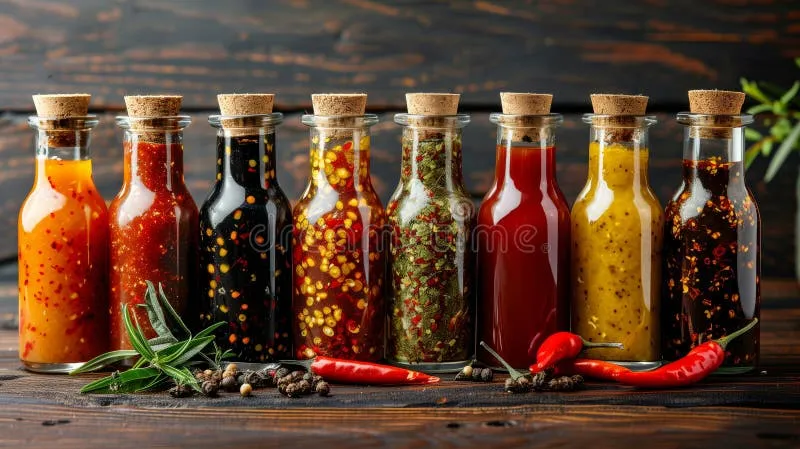
Photo: assorted artisan hot sauce bottles condiments colorful collection, via thumbs.dreamstime.com
The Condiment Landscape Is Changing
Walk into any well-stocked specialty grocery store these days and you'll find shelves that look nothing like they did ten years ago. Sriracha is practically mainstream. Calabrian chili paste has its own fan accounts. Korean gochugaru-based condiments are showing up in recipes from Brooklyn food blogs to Texas barbecue joints. The American hot sauce moment is officially bigger than Buffalo.
None of this is a knock on the classics. A perfectly made Buffalo wing is a spiritual experience, and a good Louisiana-style cayenne sauce is one of the most versatile things you can keep in your fridge. But if that's where your condiment education stops, you're missing out on a genuinely exciting world of regional flavor traditions that are finally getting the attention they deserve.
At Sam's Spicy Sauces, we exist for exactly this kind of discovery. So here's a look at some of the most compelling regional hot sauces and spicy condiments making serious waves in American kitchens right now.
Calabrian Chili Paste: Italy's Best-Kept Secret
If you haven't cooked with Calabrian chilis yet, stop what you're doing and fix that immediately. These small, wrinkled red peppers from Calabria — the toe of Italy's boot — are packed into jars as a paste or preserved whole in oil, and they deliver a heat that's fruity, salty, and deeply savory all at once.
The flavor profile is unlike anything you'll get from a standard vinegar-forward hot sauce. It's rich. It's complex. It has the kind of umami depth that makes you want to stir it into pasta, spread it on crusty bread, or blend it into a salad dressing without telling anyone what your secret ingredient is.
American chefs have been quietly obsessed with Calabrian chili paste for years, and now home cooks are catching on. Look for jars at Italian specialty shops or well-stocked grocery stores, and don't be surprised when it becomes a permanent fixture in your rotation.
Best used on: Pizza, pasta aglio e olio, roasted vegetables, and anywhere you'd normally reach for red pepper flakes.
Gochujang and Gochugaru-Based Sauces: Korean Heat Done Right
Korean cuisine has always had a sophisticated relationship with spice — not heat for heat's sake, but heat as a vehicle for fermented, complex, layered flavor. Gochujang (a fermented chili paste made with red pepper, glutinous rice, and soybeans) and gochugaru (coarsely ground Korean red pepper flakes) have both crossed over into mainstream American cooking in a big way.
What makes gochujang-based sauces special is the fermentation. There's a tangy, slightly funky depth underneath the heat that you simply don't get from fresh or vinegar-pickled pepper sauces. It's savory and a little sweet, with a slow-building warmth that sneaks up on you rather than hitting you immediately.
A growing number of American artisan producers are now making gochujang-inspired sauces that blend Korean fermentation traditions with local peppers and ingredients — a genuinely exciting corner of the craft condiment market.
Best used on: Korean-style fried chicken, grain bowls, roasted sweet potatoes, and as a marinade for grilled meats.
Lesser-Known Louisiana Varietals: Beyond the Standard Cayenne
Louisiana-style hot sauce is the backbone of American condiment culture — but the category is way bigger than the two or three brands that dominate grocery store shelves. The Gulf Coast region has a rich tradition of small-batch, single-pepper hot sauces that rarely make it outside their home state, and that's a genuine shame.
Tabasco peppers get most of the attention, but Louisiana also produces a wealth of sauces built around piquante peppers, Bird's Eye chilies, and heirloom cayenne varieties that bring distinctly different flavor profiles to the table. Many of these small producers ferment their mashes longer, use local sugarcane vinegar, or incorporate regional aromatics like file powder that you just won't find in mass-market bottles.
Seeking out these regional Louisiana producers — often found at farmers markets, local specialty shops, or through direct online ordering — is one of the most rewarding things a hot sauce enthusiast can do. You're tasting a genuine food tradition, not just a commercial product.
Best used on: Boiled seafood, red beans and rice, fried catfish, and classic Southern breakfast fare.
Yemeni Zhug: The Middle Eastern Hot Sauce America Is Just Discovering
Zhug (also spelled schug or zhoug) is a fresh herb and chili sauce from Yemen that has become a staple condiment across the Middle East and Israel. It comes in two main varieties — green, made with fresh jalapeños or serranos, cilantro, and parsley; and red, made with dried chilies and warm spices like cardamom and cumin.
What sets zhug apart from most hot sauces is that it's herbaceous first and spicy second. The heat is real, but it sits inside a bright, fresh, almost salsa-verde-like framework that makes it feel lighter and more versatile than you might expect. It's also incredibly easy to make at home, which has contributed to its growing popularity among American home cooks who've discovered it through Middle Eastern restaurants.
Artisan versions are starting to appear on specialty food shelves and at farmers markets across the country, and it's worth grabbing a jar whenever you see one.
Best used on: Falafel, grilled lamb, roasted cauliflower, eggs, and as a dipping sauce for flatbread.
New Mexico Hatch Green Chile Sauce: A Regional Legend Going National
Anyone who's spent time in New Mexico already knows that Hatch green chiles are basically sacred. Grown in the Hatch Valley along the Rio Grande, these chiles have a unique flavor — earthy, slightly smoky, mildly sweet, and building to a medium heat — that's deeply tied to the land and climate where they're grown.
For decades, Hatch green chile sauce was largely a regional thing. You had to be in New Mexico in late summer during the roasting season to really experience it. But demand has grown dramatically, and a number of producers are now making shelf-stable Hatch green chile sauces that ship nationally.
This is one of America's most distinctive regional condiment traditions, and it absolutely deserves a spot on tables well beyond the Southwest.
Best used on: Green chile cheeseburgers, breakfast burritos, grilled chicken, and posole.
Why These Sauces Matter
The rise of these regional and globally-rooted condiments isn't just a food trend — it's a sign that American palates are genuinely evolving. Home cooks want more than heat. They want story, tradition, and complexity. They want to taste something that couldn't have come from anywhere else.
That's exactly what artisanal and regional hot sauces deliver. Every jar carries a sense of place — the soil the peppers were grown in, the fermentation culture that developed over generations, the culinary traditions that shaped how the sauce is meant to be used.
So the next time you're reaching for a bottle, consider going somewhere new. Buffalo will always be there when you need it. But the rest of the world's spicy condiment traditions are finally at your fingertips, and they're absolutely worth exploring.