Bottled Fire vs. Fresh Flame: What Actually Happens to Heat When Peppers Get Processed
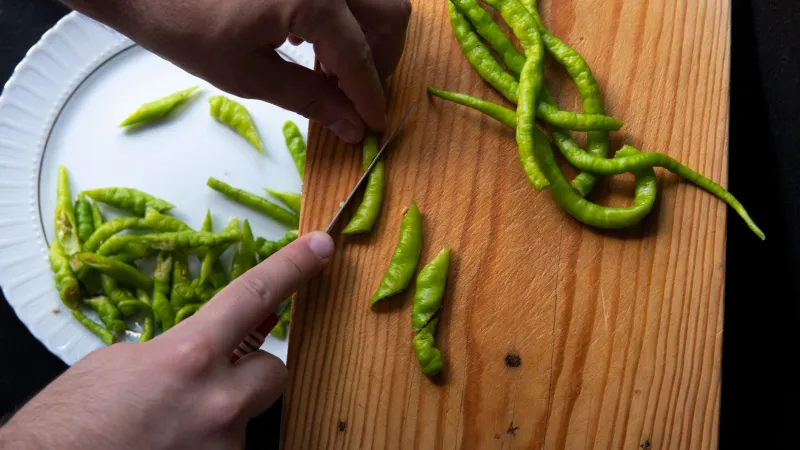
You've been there. You slice into a fresh jalapeño, brace yourself, and get a slow, grassy burn that fades pretty quickly. Then you reach for a jalapeño-based hot sauce, splash it on your eggs, and suddenly you're reaching for a glass of milk. Same pepper. Wildly different experience. What gives?
It's not your imagination. The heat in a bottled sauce and the heat in a fresh pepper genuinely behave differently — and the reasons why are equal parts food science and artisan craft. Understanding what's happening at the molecular level makes you a smarter cook and, honestly, a more appreciative hot sauce fan.
Meet Capsaicin (Again, But Properly This Time)
You've heard the word capsaicin thrown around a lot. It's the compound responsible for the burn in chili peppers, and it binds to pain receptors in your mouth called TRPV1 receptors, tricking your nervous system into thinking it's experiencing actual heat. That part most spice lovers already know.
What's less talked about is that capsaicin doesn't exist in isolation. Fresh peppers contain a whole family of related compounds called capsaicinoids — things like dihydrocapsaicin, nordihydrocapsaicin, and homocapsaicin. Each one produces a slightly different burn profile. Some hit fast and fade. Some build slowly and linger. Some spread across your whole mouth while others concentrate on the back of your throat. The mix of these compounds in any given pepper determines the character of the heat, not just the intensity.
Here's where processing changes everything.
What Fermentation Does to the Fire
A lot of the best artisanal hot sauces — including plenty of the ones you'd find on a shelf at Sam's Spicy Sauces — start with fermented peppers. And fermentation isn't just a preservation technique. It's a full-on chemical transformation.
When peppers ferment in a salt brine, lactic acid bacteria get to work breaking down sugars and cell walls. This process does a few interesting things to heat. First, it increases the bioavailability of capsaicinoids, meaning your body absorbs them more efficiently. The burn may not necessarily spike higher on the Scoville scale, but it feels more immediate and more complete because more of it actually reaches your receptors.
Fermentation also introduces acids that lower the overall pH of the sauce. Capsaicin happens to be more soluble in acidic environments, which means it disperses more evenly throughout the liquid. Every drop of a well-fermented hot sauce delivers a consistent hit rather than the uneven burn you sometimes get from biting into different parts of a fresh pepper.
Then there's the flavor side of it. Fermentation develops depth — funky, tangy, umami-rich notes that fresh peppers simply don't have. That complexity doesn't just taste good; it also changes how you perceive the heat. Flavor and pain signals interact in the brain, and a more flavorful experience can actually make heat feel more rounded and satisfying rather than sharp and one-dimensional.
Extraction, Concentration, and the Art of Turning Up the Volume
Not every hot sauce is fermented. Some are built around extraction — pulling capsaicinoids directly out of the pepper using solvents like water, vinegar, or food-grade alcohol, then concentrating the result. This is where things get intense.
When capsaicin is extracted and concentrated, you're essentially removing it from the buffering environment of the pepper's flesh. Fresh peppers contain water, fiber, fat, and sugars that all slow down how quickly capsaicin reaches your receptors. Strip all that away, and the heat becomes faster and more aggressive. This is why pepper extracts — the kind used in ultra-hot novelty sauces — can feel almost clinical in their burn. There's no pepper flavor, no sweetness, no acidity to soften the blow. Just raw heat.
Artisanal sauce makers generally avoid pure extracts for exactly this reason. The goal is heat with flavor, not heat as a punishment. Instead, they focus on cold-pressing or slow-cooking methods that preserve the full capsaicinoid profile of the pepper while still concentrating its essence. Some producers also roast or smoke peppers before processing, which doesn't dramatically change capsaicin levels but does alter the surrounding flavor compounds — giving the heat a different stage to perform on.
The Role of Fat, Vinegar, and Other Ingredients
Here's something that surprises a lot of people: what you combine with capsaicin changes how it behaves in your mouth.
Capsaicin is fat-soluble, not water-soluble. This is why chugging water doesn't help when you're burning — water can't bind to capsaicin and wash it away. But fat can. Hot sauces that contain oil (think creamy sriracha-style sauces or butter-based Louisiana styles) deliver heat differently because the capsaicin is already partially suspended in fat. It coats your mouth more evenly and tends to linger longer, but it also feels smoother going in.
Vinegar, on the other hand, is the backbone of most classic American hot sauces for a reason. The acidity brightens the pepper flavor and keeps the sauce shelf-stable, but it also interacts with your mouth's receptors in a way that amplifies the perception of heat without necessarily increasing the capsaicin content. A high-vinegar sauce can taste hotter than its Scoville rating suggests.
Sugar and fruit-based ingredients do the opposite — they genuinely blunt heat perception by activating sweetness receptors that compete with pain signals. This is why mango habanero sauces tend to feel more approachable than a straight habanero mash, even if the capsaicin levels are similar.
So Which Burns Better?
Neither, really. Fresh peppers and artisanal hot sauces are doing different things, and both have a place in a well-stocked kitchen.
Fresh peppers give you heat that's immediate, grassy, and tied to the specific variety you're working with. Hot sauce — especially the fermented, small-batch kind made by people who actually care about flavor — gives you something more layered. The heat has been shaped, developed, and intentionally crafted to work alongside the other flavors in the bottle.
When you reach for a quality artisanal sauce, you're not just adding spice. You're adding the result of a deliberate chemical and culinary process that transforms raw pepper heat into something with genuine personality. That's the difference between heat that just burns and heat that's actually worth chasing.