Spice Where You Least Expect It: 9 Surprising Foods That Are Better With Hot Sauce

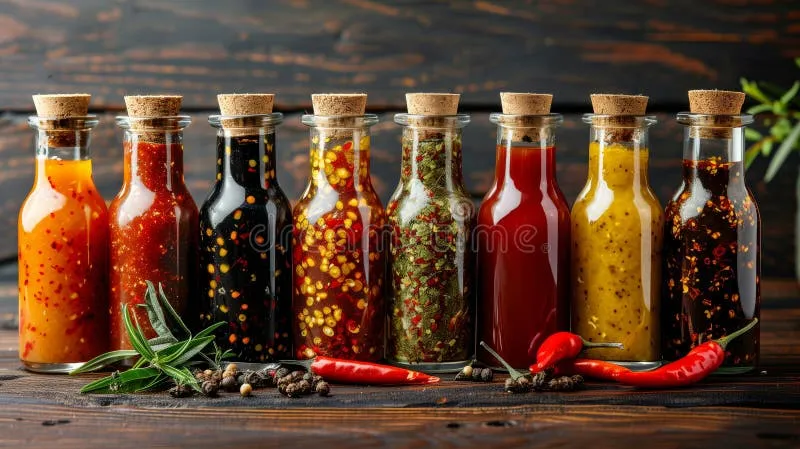
Photo by Photo by Sticker Mule on Unsplash on Unsplash
Let's be honest. If you've built up a collection of quality hot sauces — the kind with actual flavor behind the fire — you've probably already graduated past the obvious applications. Wings? Done. Tacos? Obviously. A generous pour over scrambled eggs? That's practically a breakfast staple at this point.
But here's the thing about a genuinely great artisanal hot sauce: it's not just a heat delivery system. It's a condiment with complexity — fermented depth, fruity brightness, smoky undertones, or tangy acidity — and that complexity plays beautifully in places most people would never think to try it. These nine pairings might raise an eyebrow at first. By the third bite, you'll be a convert.
1. Vanilla Ice Cream
Stay with us here. A few drops of a fruity, vinegar-forward hot sauce — something like a mango habanero or a pineapple ghost pepper variety — on a scoop of good vanilla ice cream is genuinely one of the more revelatory food experiences you can have at home. The cold fat of the ice cream slows down capsaicin absorption, so the heat builds gradually rather than hitting all at once. Meanwhile, the sweetness of the ice cream amplifies the fruit notes in the sauce and rounds out any sharpness.
Tasting notes: Sweet, creamy, then a slow bloom of tropical heat that lingers long after the spoon is down. Pairs especially well with a drizzle of honey on top.
2. Oysters on the Half Shell
Cocktail sauce has been the default oyster companion for too long. A clean, briny oyster is already doing a lot of flavorful work on its own, and a heavy-handed condiment can bulldoze right over it. The better move? A single drop of a light, citrus-forward hot sauce — something Louisiana-style or a verde variety with tomatillo and lime. It lifts the salinity of the oyster without competing with it.
Tasting notes: Ocean-forward, bright, and clean with a gentle heat that fades quickly. Think of it as a more interesting mignonette.
3. Watermelon
This one has deep roots in Mexican food culture, and it's time more American home cooks got on board. The combination of sweet, watery fruit and spicy, tangy hot sauce hits every major flavor note at once. A chamoy-style sauce or a simple chili-lime hot sauce works best here. Salt helps too — don't skip it.
Tasting notes: Juicy and sweet up front, then a sharp, savory heat that makes the fruit taste even more intensely like itself. Summer cookout game-changer.
4. Dark Chocolate
Chocolate and chili have been paired together since the Aztecs, so this isn't entirely out of left field — but most people think of it only in the context of fancy truffles or mole. Try it simpler: break off a square of good 70% dark chocolate, let it start to melt on your tongue, then follow it with a tiny drop of a smoky chipotle or ancho-based hot sauce. The bitterness of the chocolate and the earthiness of the dried peppers are genuinely complementary.
Tasting notes: Deep, bitter, and complex with a warm, slow heat. The kind of pairing that makes you stop mid-bite to think about what just happened.
5. Bloody Mary (or Virgin Mary)
Okay, technically a Bloody Mary already has hot sauce in it — but we're talking about going further. Use a high-quality, fermented hot sauce as the primary seasoning rather than an afterthought, and skip the standard Tabasco pour. A fermented habanero or a roasted red pepper hot sauce adds layers of flavor that mass-market sauces can't touch. Build the rest of the drink around it.
Tasting notes: Savory, umami-forward, and complex with a heat that integrates into the drink rather than sitting on top of it. The difference between a good Bloody Mary and a great one.
6. Avocado Toast
Not the same as just making spicy guacamole. The move here is to finish the toast with a drizzle of hot sauce after assembly — after the avocado, the flaky salt, the everything bagel seasoning, all of it. The hot sauce should be something with good acidity, like a serrano verde or a classic green hot sauce. It cuts through the richness of the avocado and ties the whole thing together.
Tasting notes: Rich and creamy with a bright, tangy heat that keeps each bite from feeling heavy. Genuinely makes the avocado taste more like avocado.
7. Popcorn
Not popcorn with hot sauce poured on top — that's a soggy mess. The technique here is to melt a small amount of butter, stir in a few teaspoons of your favorite hot sauce, and toss the popcorn in that mixture. The butter carries the capsaicin evenly across every kernel, and you get a consistent heat in every bite. A smoky or garlic-forward sauce works especially well.
Tasting notes: Buttery, savory, and spicy in a way that makes plain movie theater popcorn feel like a downgrade. Impossible to stop eating.
8. Cottage Cheese
Cottage cheese has had a bit of a renaissance lately, and the spicy cottage cheese bowl is one of its best new forms. A thick, chunky hot sauce — something with visible pepper pieces and good body — stirred into full-fat cottage cheese creates a high-protein snack or light meal that's genuinely satisfying. Add cucumber slices or everything bagel seasoning on top.
Tasting notes: Cool, tangy, and creamy with pockets of heat throughout. The mild flavor of the cottage cheese lets the hot sauce's complexity take center stage.
9. Peanut Butter
This sounds like a dare. It's actually incredible. A small amount of a fruity or sweet-leaning hot sauce stirred into peanut butter — or drizzled over peanut butter toast — plays on the same flavor logic as Thai peanut sauce. The fat in the peanut butter interacts with capsaicin in a way that creates a slow, deep heat rather than a sharp spike. Try it on apple slices for the full experience.
Tasting notes: Nutty, rich, and subtly sweet with a heat that builds gradually and hangs around. The kind of snack you make once and then immediately make again.
The best hot sauces — the ones made with real ingredients, real fermentation, and real intention — deserve more than being a sidekick to the same three dishes. They're flavor tools, and the kitchen is full of places to use them. Start with one of these, and see where it takes you. The burn is just the beginning.