Bottles You Can't Open and Sauces You Can't Quit: The Strange Emotional Life of a Hot Sauce Collector
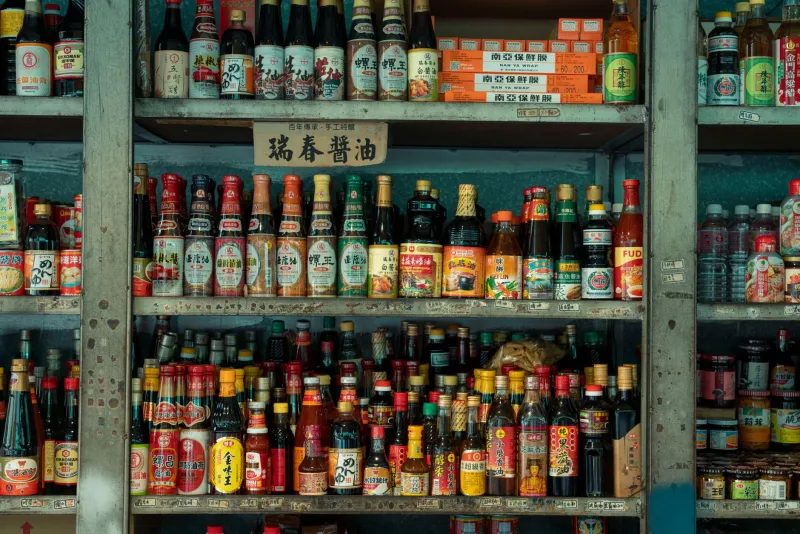
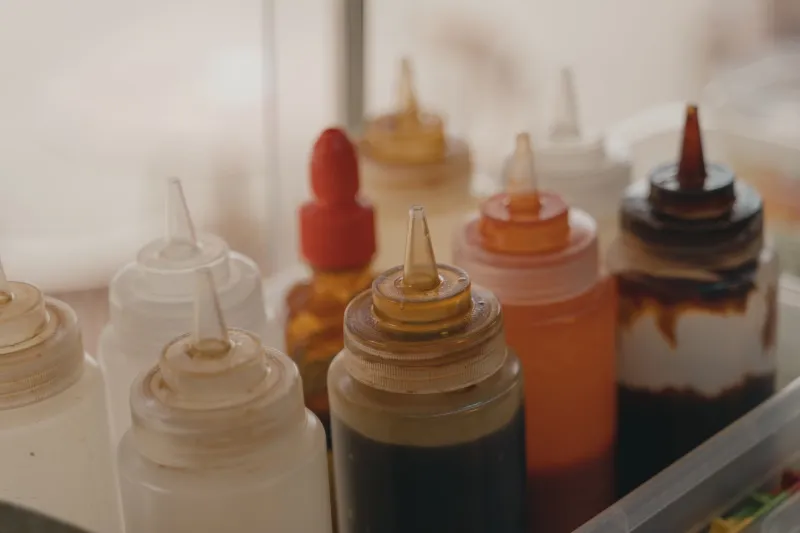
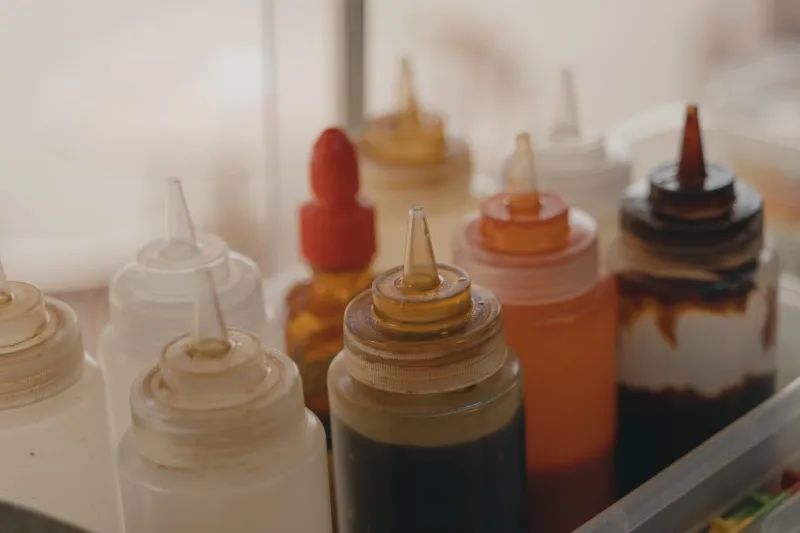
Somewhere between bottle number twelve and bottle number forty-seven, something shifts. You stop thinking of your hot sauce collection as a pantry staple and start thinking of it as yours — a curated, deliberate, deeply personal thing that reflects who you are and what you've chased down across farmers markets, specialty food festivals, and obscure corners of the internet.
Then one day you realize you haven't actually opened some of these bottles in two years. And that realization hits a little weird.
This is the collector's dilemma — and if you've ever felt guilty standing in front of a shelf full of hot sauce you're too attached to use, you're not alone.
The Shelf That Started Talking Back
Most serious collectors can pinpoint the exact moment the hobby changed on them. For Marcus, a 38-year-old from Nashville who estimates he's sitting on around 80 bottles at any given time, it was a limited-run fermented ghost pepper sauce from a small-batch producer in Asheville that he tracked down after months of waiting lists.
"I finally got it, put it on the shelf, and just... stared at it for a week," he says. "Opening it felt like it would ruin something. Which is insane, because it's hot sauce. It exists to be used."
That tension — between the collector's instinct to preserve and the enthusiast's desire to actually experience what they've gathered — sits at the heart of what makes serious sauce collecting so psychologically complicated. It's not unlike the wine collector who can't bring themselves to uncork the good stuff, or the sneakerhead with deadstock kicks still in the box. The object becomes symbolic, and suddenly using it feels like losing it.
The Guilt Is Real (And Collectors Talk About It More Than You'd Think)
There's a specific flavor of guilt that comes with having a collection of perishable things you're not using. Hot sauce has a long shelf life, sure — but it doesn't last forever, and collectors know this. Oxidation happens. Flavors drift. That brilliant, complex heat profile you paid a premium for is slowly, quietly changing in the bottle.
Jamila, a self-described "sauce hoarder" from Atlanta with a dedicated shelving unit in her kitchen and overflow in a hall closet, puts it plainly: "I've definitely poured out bottles that turned because I couldn't bring myself to open them when they were good. That's a special kind of stupid, and I know it."
She's not wrong, technically. But she's also describing something that happens to almost every collector who gets deep enough into the hobby. The emotional stakes of opening a rare or discontinued bottle feel disproportionately high compared to the rational reality that the whole point of sauce is to pour it on something.
Food psychologists would probably point to the concept of loss aversion here — the well-documented human tendency to feel the pain of losing something more acutely than the pleasure of gaining it. When you open a rare bottle, you're both gaining the experience and losing the bottle. For collectors, that math often doesn't pencil out in favor of opening.
Display Anxiety Is a Whole Thing
Beyond the guilt of unopened bottles, there's another layer that collectors rarely admit to outsiders: the anxiety of how the collection looks.
This might sound frivolous, but hear it out. A thoughtfully arranged hot sauce shelf communicates something. It tells a story about your palate, your travels, your willingness to seek out the unusual. The placement of bottles — regionally grouped versus heat-level organized versus purely aesthetic — becomes a curatorial decision. And when someone comes over and starts picking up bottles without asking, it can trigger a reaction that feels almost territorial.
"I've caught myself giving people a little tour before they touch anything," admits Derek, a collector in Portland, Oregon, who has around 120 bottles across two dedicated shelves. "Like, context matters. That bottle came from a pop-up in New Orleans. That one I won in a bracket competition. You can't just grab it like it's a bottle of ketchup."
The display isn't just organizational — it's communicative. And that communication matters to collectors in ways that can feel hard to explain to non-collectors.
When Passion Tips Into Something Else
Most collectors are self-aware enough to know when the hobby is starting to run them instead of the other way around. The signs are usually pretty clear: buying bottles you don't actually like because they're rare, feeling genuine distress when a limited release sells out before you can grab it, or spending more time managing the collection than actually cooking with it.
Jamila noticed the tipping point when she started turning down social plans because a small-batch producer had just dropped a new sauce and she didn't want to miss the window. "That was the moment I was like, okay, this is a little much," she says. "It's supposed to be fun. Hot sauce is supposed to make food better. When it starts making your life worse, something's off."
She eventually did what a lot of collectors eventually do: she held a "purge and pour" dinner for friends, where she opened a dozen bottles she'd been hoarding, put them all on the table, and just cooked with them. "It was genuinely one of the best meals I've ever made," she says. "And I felt lighter afterward."
Making Peace With the Shelf
The collectors who seem happiest are the ones who've found a workable philosophy — some personal framework that lets them hold on to the joy of the hunt without letting the collection become a burden.
For Marcus, that meant setting a simple rule: one bottle in, one bottle opened. Not necessarily the same bottle, but the act of regularly using what he has keeps the shelf from becoming a shrine.
For Derek, it was accepting that some bottles are display pieces and some are working bottles, and being honest with himself about which is which. "I've got maybe fifteen that I'd consider kind of precious," he says. "The rest are fair game. That distinction made everything easier."
The throughline in almost every collector's story is that the collection only really works when it stays connected to the thing that started it all: the food, the heat, the flavor, the experience of finding something that genuinely surprised you and wanting to share that with someone.
The shelf is just the evidence that you've been paying attention.
The Real Flex Is Pouring It
Here's the thing about rare and artisanal hot sauce that serious collectors eventually come back to: the people who made it wanted it to be used. The small-batch producers, the fermentation obsessives, the farmers growing obscure peppers in unconventional climates — none of them are making sauce so it can sit on a shelf looking impressive.
The real tribute to a great bottle is cracking it open on a Tuesday, putting it on something simple, and letting it do what it was built to do.
Your collection can be both a source of pride and a working pantry. Those two things aren't in conflict — not if you let yourself actually enjoy what you've been chasing.
The heat is worth nothing if it never reaches the food.