What Your Hot Sauce Says About You: The Surprisingly Real Psychology Behind Your Spice Cabinet
You've got a type. Maybe you don't think of it that way, but walk up to any hot sauce shelf — at a specialty shop, at a farmers market, or in someone's fridge — and you'll watch people make choices that feel almost instinctive. One person grabs the fermented habanero with the hand-drawn label. Another goes straight for the same bottle they've been buying since 2011. Someone else picks up every single bottle, reads the back, puts them all down, and leaves empty-handed.
Those aren't random moves. According to food psychologists and flavor researchers, your hot sauce habits are a surprisingly reliable window into how you handle risk, navigate novelty, and relate to tradition in the rest of your life too.
So let's get into it.
The Thrill-Seeker vs. The Loyalist
There's a well-documented personality trait called sensation seeking — a tendency to chase new, intense, and varied experiences. And hot sauce, of all things, turns out to be a pretty clean proxy for it.
Dr. Paul Rozin, a psychologist at the University of Pennsylvania who has spent decades studying food preferences, famously described the love of spicy food as a form of "benign masochism" — the enjoyment of something the body technically reads as a threat, once the brain learns that no real harm is coming. People who lean into that experience — who actively push their heat ceiling higher — tend to score higher on sensation-seeking scales across the board. They're more likely to try unfamiliar cuisines, more open to ambiguous social situations, and more comfortable with outcomes they can't fully predict.
In other words: if you're the person at the table who orders the hottest thing on the menu just to see what happens, that impulse probably shows up in other corners of your life too.
On the flip side, the loyalist — the person who has a single go-to sauce and sees no reason to stray — isn't necessarily low on adventurousness. Food scientists point out that deep brand loyalty often reflects a high value placed on reliability and trust. These are people who've done their research, made their call, and don't feel the need to relitigate it every time they open the fridge. That's not fear of the new. That's efficiency. Confidence, even.
What Your Flavor Profile Actually Reveals
Heat level gets all the attention, but flavor preference is where things get genuinely interesting.
People who gravitate toward vinegar-forward sauces — your classic Louisiana-style bottles — tend to describe themselves as traditionalists who still like a little edge. There's something familiar and nostalgic about that sharp, tangy heat. It's the condiment equivalent of a well-worn leather jacket: classic, reliable, never trying too hard.
Fruit-based hot sauces — mango habanero, pineapple ghost pepper, that kind of thing — attract a crowd that food researchers describe as integrators: people who enjoy complexity and aren't bothered by contradiction. Sweet and hot at the same time? Sure, why not. These are often the same people who mix genres in their music playlists and don't feel weird ordering dessert before the entrée.
Then there's the fermented sauce devotee. Gochujang blends, long-aged mash-style sauces, anything with that deep, funky umami backbone. Fans of these tend to be patient, process-oriented, and genuinely curious about how things work. They're the people who want to know why something tastes the way it does, not just that it tastes good.
And if you're drawn to single-pepper, minimalist sauces — just peppers, salt, maybe a little vinegar — you probably have strong opinions about authenticity. You want to taste the thing itself, not a production around it.
Brand Loyalty as Identity
Here's where it gets a little philosophical.
For a lot of hot sauce fans, the brand on the bottle isn't just a product choice — it's a signal. A way of saying something about who you are and what you value. That's true of plenty of consumer categories, but hot sauce has a particular intensity to it because the community around it is so passionate.
Talk to anyone who's been in the hot sauce world for a while and they'll tell you: there's a real difference between the person who buys whatever's on sale and the person who tracks small-batch releases from a producer in New Mexico with 400 Instagram followers. The latter isn't just buying sauce. They're participating in something. They want to be early. They want to support craft. They want to be right about something before everyone else catches on.
Sound familiar? That same impulse drives record collectors, sneakerheads, and indie bookstore regulars. It's about curation as identity.
Risk Tolerance on the Plate
One of the more fascinating things food researchers have noted is how spice tolerance and financial risk tolerance seem to correlate — not perfectly, but enough to be worth talking about. People who actively seek out higher Scoville counts tend to be more comfortable with uncertainty in general, including economic uncertainty. They're more likely to freelance, start side projects, or make unconventional career moves.
This doesn't mean you need to be eating Carolina Reapers to be brave. But it does suggest that what you do with discomfort — whether you lean into it or avoid it — shows up in predictable patterns, and your spice cabinet is one of the places those patterns surface.
The Social Dimension
Hot sauce is also, increasingly, a social object. People bring bottles to dinner parties. They gift them. They post them. They argue about them online with a level of conviction usually reserved for sports teams.
Psychologists who study food and group identity point out that shared flavor preferences create genuine social bonds — almost tribal ones. When you find out someone else loves the same obscure fermented serrano sauce you've been hoarding, there's an immediate sense of recognition. You get it. I get it. We're the same kind of person.
That's not trivial. Food has always been one of the fastest routes to connection, and hot sauce — with its specificity, its culture, its inside jokes — has become a surprisingly efficient one.
So What Does Your Shelf Say?
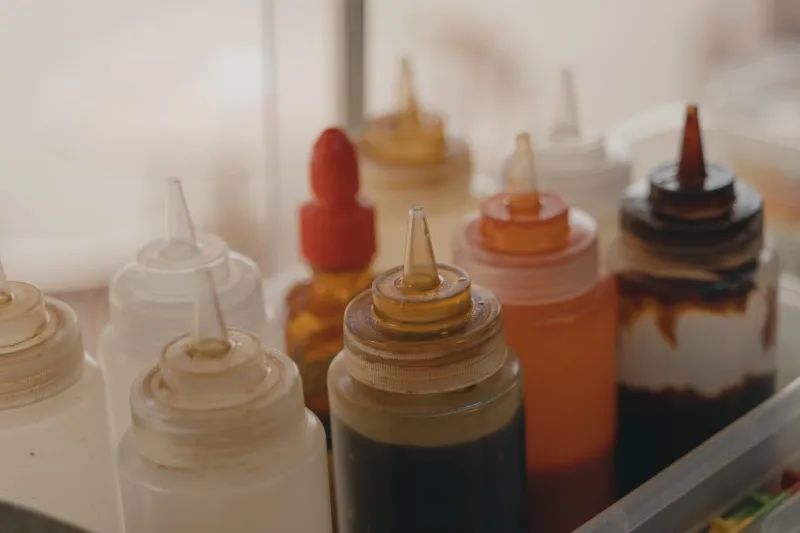
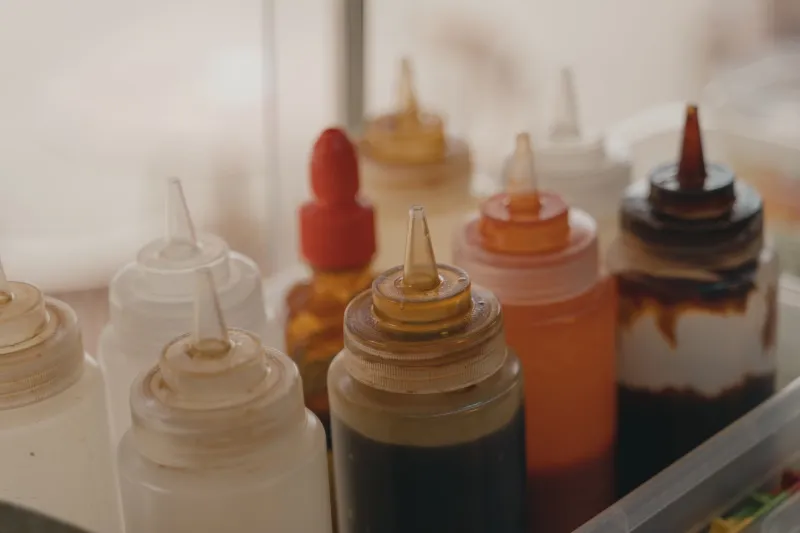
Take a look at your hot sauce situation right now. How many bottles? Are they all open, or are some still sealed? Do they cluster around a theme, or is it chaotic? Is there a clear favorite that's almost empty while everything else sits full?
None of this is a verdict. It's more like a mirror — a weird, spicy, vinegar-smelling mirror that reflects back how you move through the world. Whether you're a thrill-chaser, a loyalist, a patient fermenter, or someone who just really, really hates bland food, your sauce choices are telling a story.
The good news? It's a story you can always add to. One new bottle at a time.