Bubble, Ferment, Burn: Why Home Cooks Are Ditching Fresh Sauces for the Fermentation Method
There's something almost primal about watching a jar of peppers sitting on your kitchen counter, quietly bubbling away like it has a life of its own. Because honestly? It does. That little mason jar is a living ecosystem, and the home cooks who've figured that out are producing hot sauces that would make any artisan bottler jealous.
Fermented hot sauce is not new. Cultures across the globe have been doing this for centuries. But a growing wave of adventurous American home cooks is rediscovering it — and once you taste the difference, there's really no going back.
What's Actually Happening Inside That Jar
Let's talk science for a second, because understanding what's going on makes the whole process way more satisfying.
When you submerge peppers in a saltwater brine, you're creating the perfect conditions for naturally occurring bacteria — specifically Lactobacillus — to thrive. These bacteria are already hanging out on the surface of your peppers. All you're doing is giving them the right environment to get to work.
As they consume the natural sugars in the peppers, they produce lactic acid. That's the process called lacto-fermentation, and it's the same thing that makes kimchi tangy, pickles sour, and sourdough bread complex. The lactic acid lowers the pH of your brine over time, preserving the peppers naturally and — here's the important part — building a depth of flavor that simply doesn't exist in a fresh sauce.
Fresh sauces are bright, sharp, and immediate. Fermented sauces are layered. You get the heat, sure, but underneath it there's a funkiness, a subtle sourness, and a richness that kind of sneaks up on you. It's the difference between a guitar chord and a full band.
Why Fermentation Changes the Heat Game
Here's something that surprises a lot of first-timers: fermentation can actually mellow the perceived heat of a pepper while simultaneously making the sauce taste more interesting. The lactic acid and the breakdown of pepper cell walls during fermentation soften the initial capsaicin punch, spreading the heat more evenly across your palate instead of slamming you all at once.
The result? A sauce that feels more complex rather than just hot. The flavor has room to breathe. You taste the pepper — really taste it — before the heat settles in. For anyone who's ever complained that some hot sauces are just "hot and nothing else," fermentation is the answer you didn't know you were looking for.
Getting Started: The Basics of a Simple Pepper Mash Ferment
Good news: you don't need a lab coat or specialty equipment to pull this off. Here's a straightforward method that works for beginners.
What you'll need:
- 1 pound of fresh peppers (any variety — start with something you love)
- 2–3% salt by weight (roughly 1 teaspoon of non-iodized salt per cup of water for a brine, or weigh your peppers and use 2–3% of that weight in salt for a mash)
- A clean mason jar
- A small zip-lock bag filled with water (to use as a weight)
- Patience
The process:
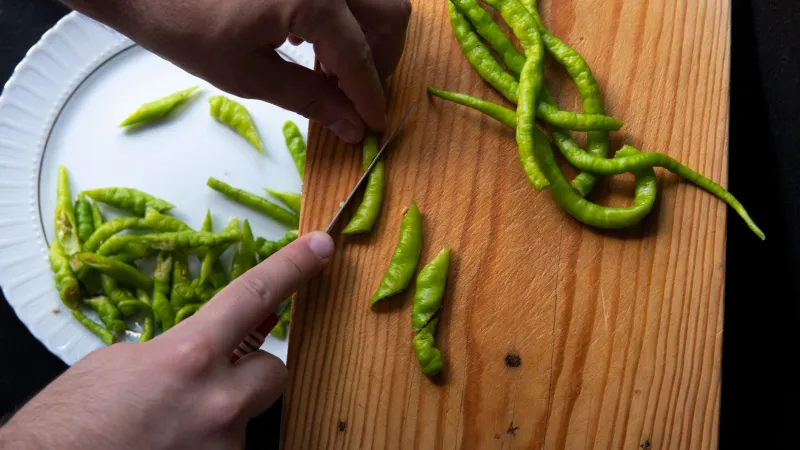
For a simple mash, blend or finely chop your peppers, mix in the salt, and pack the mixture tightly into your jar. The salt draws moisture out of the peppers, eventually creating enough liquid to submerge the mash. Use your water-filled bag to weigh the mash down below the brine line — this is critical, because anything exposed to air can mold.
Cover the jar loosely (don't seal it airtight — the CO2 needs somewhere to go) and let it sit at room temperature, out of direct sunlight, for anywhere from five days to three weeks. Taste it every few days. You'll notice it getting tangier and more complex as time goes on. When it hits the flavor you're after, blend it smooth, strain if you like, and transfer it to a bottle.
Where Most Beginners Go Wrong
Salt percentage is everything. Too little and you risk unwanted bacteria or mold taking over. Too much and you slow the fermentation down dramatically or kill it entirely. The sweet spot for most pepper ferments is between 2% and 3% salt by weight. Invest in a kitchen scale — it makes a massive difference.
Also, don't freak out if you see white stuff forming on the surface. A thin, white, somewhat flat film is often kahm yeast — harmless, though it can add off-flavors if left too long. Just skim it off. If you see fuzzy, colorful mold (green, black, pink), that's a different story — toss it and start over.
The Fun Part: Making It Your Own
Once you understand the basic process, the real creativity kicks in. This is where home cooks start to sound like mad scientists — in the best possible way.
Try blending pepper varieties to layer heat levels and flavor profiles. Add aromatics to the ferment itself: garlic, ginger, onion, even fruit like mango or pineapple will ferment right along with the peppers and weave their flavors into the final sauce. Some folks add a splash of fish sauce or a chunk of kombucha SCOBY to kick-start fermentation. Others experiment with ferment length, comparing a one-week batch to a one-month batch side by side.
The point is that fermentation turns hot sauce making into a genuine craft. Every batch is a little different. Every variable you tweak teaches you something new. That's the kind of cooking that keeps things interesting.
The Bigger Picture
There's a reason artisan hot sauce makers have leaned on fermentation for generations, and there's a reason more home cooks are catching on now. In a world full of mass-produced bottles that taste more or less the same, a homemade fermented hot sauce is genuinely yours — built from the peppers you chose, tuned to the heat level you want, and carrying a flavor profile nobody else has.
The bubble in that jar isn't just carbon dioxide. It's potential. And once you start chasing it, you'll wonder why you ever settled for anything less.