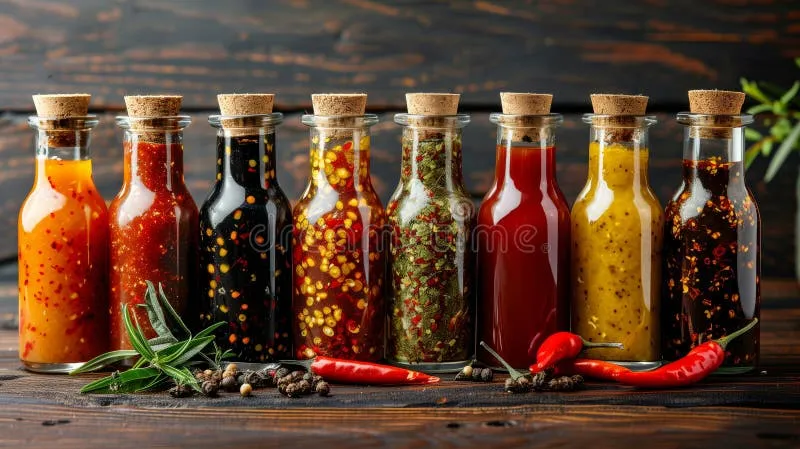
Forget Tacos: The Unexpected Places Hot Sauce Belongs at Your Table
Photo: US Army Africa, CC BY 2.0, via Wikimedia Commons
I need to confess something. For years, I used hot sauce the same way most people do — reflexively, on the obvious stuff. Eggs in the morning, tacos on Tuesday, wings on game day. It was a condiment, not an ingredient. Background noise.
Then a chef friend dribbled a fruity habanero sauce over a wedge of aged cheddar at a dinner party, and something in my brain rearranged itself. The heat cut through the fat. The fruit notes in the sauce amplified the nuttiness in the cheese. It was absurdly good, and I'd been leaving that experience on the table for my entire adult life.
Since then, I've been on a mission to find every place hot sauce doesn't belong — and I keep coming up empty. Here's what I've discovered along the way.
Dessert Is Not Off Limits (And I Will Die on This Hill)
Let's start with the one that makes people the most uncomfortable, because once you're on board with this, everything else feels easy.
Hot sauce and chocolate is not a new idea — Mexican cuisine has been pairing chili and cacao for centuries. But the application most home cooks haven't tried is using a fruity, moderate-heat sauce as a finishing drizzle over desserts. A small-batch mango habanero over vanilla bean ice cream sounds like a dare. It tastes like something a restaurant would charge $14 for.
The science isn't complicated: capsaicin triggers a mild stress response that your brain rewards with endorphins, and when that happens alongside the pleasure response from sugar and fat, the combined effect is genuinely euphoric. Your mouth is getting a full workout — sweet, creamy, spicy, fruity — and it's a lot to process in the best possible way.
Try it with: vanilla ice cream, dark chocolate mousse, fresh watermelon, or a fruit tart. A pineapple-forward hot sauce over coconut sorbet is something I now make for every summer gathering, and I have yet to serve it to anyone who didn't immediately ask for the recipe.
Your Cocktail Hour Just Got a Lot More Interesting
The Bloody Mary gets all the credit here, but it's barely scratching the surface of what hot sauce can do in a glass.
A smoky chipotle-based sauce stirred into a mezcal cocktail adds a savory, earthy depth that plays beautifully against the spirit's natural smokiness. A bright, citrusy hot sauce — something with lime and serrano — is a natural fit for a margarita, adding heat that lingers in a way that a simple chili salt rim never quite achieves.
Beyond spirits, hot sauce has a surprising affinity for shrubs and drinking vinegars. The acidity in the sauce harmonizes with the shrub's tartness, and the heat adds a dimension that makes a non-alcoholic drink feel genuinely sophisticated. If you've been building out a mocktail menu for gatherings, this is a move worth making.
For beer drinkers: a few drops of a habanero-mango sauce into a wheat beer or a fruited sour is a revelation. The carbonation carries the heat differently than still drinks do — it distributes across your palate faster and then fades more cleanly, making the whole experience feel lighter and more refreshing than you'd expect.
International Cuisines That Are Waiting for You to Show Up With a Bottle
Hot sauce culture in America tends to center on Tex-Mex, Southern, and Caribbean flavors — all fantastic, but a narrow slice of what's out there. Once you start thinking of artisanal hot sauce as a flavor tool rather than a regional condiment, doors open everywhere.
Japanese food: A few drops of a clean, vinegar-forward hot sauce into a bowl of miso soup adds complexity without muddying the delicate umami base. On a bowl of ramen, a smoked hot sauce works like a finishing oil — it adds richness, heat, and an aromatic lift. Try it on takoyaki or okonomiyaki in place of the standard Kewpie-and-okonomiyaki-sauce combo.
Indian cuisine: This might feel redundant given that many Indian dishes already have serious heat built in, but the type of heat matters. A fermented hot sauce adds a tangy brightness that fresh chili doesn't bring. Stirred into a yogurt-based raita, it creates a condiment that's simultaneously cooling and warming — a genuinely fun contradiction.
Middle Eastern spreads: Hummus, baba ganoush, and labneh are all platforms waiting for a drizzle of something spicy. A sauce with roasted red pepper and a moderate heat level turns a standard hummus into something that tastes like it came from a serious restaurant kitchen. The olive oil, the tahini, the heat — they belong together.
The Cheese Board Move That Will Make You a Legend
We touched on this in the intro, but it deserves its own moment. Hot sauce belongs on your cheese board, and not just as an afterthought next to the fig jam.
Different hot sauces pair with different cheese styles the way wine does. A bright, citrusy sauce cuts through the richness of a creamy brie or camembert. A smokier, deeper sauce stands up to the intensity of aged gouda or manchego. A fruity habanero alongside a sharp cheddar creates that sweet-heat-savory triangle that's almost impossible to stop eating.
If you want to really commit to the bit, label your hot sauces the way you'd label wine pairings on a cheese board. Your guests will think you've completely lost it, and then they'll eat everything.
Breakfast Beyond Eggs (Though Also, Always Eggs)
Eggs are the obvious entry point, but let's push past them. Hot sauce on avocado toast is table stakes at this point. What's less explored: hot sauce in the avocado itself, mashed in with lime juice and salt, so the heat is built into every bite rather than sitting on top.
Oatmeal is a genuinely underrated vehicle. Savory oatmeal with a soft-cooked egg, a drizzle of olive oil, and a few drops of a smoky hot sauce is a breakfast that will hold you until dinner. The heat wakes you up in a way that coffee and sugar simply don't.
Pancakes and waffles with a fruit-forward hot sauce instead of syrup sounds like chaos and tastes like a decision you'll make every weekend. The heat slows down your eating, which means you actually taste the food instead of just inhaling it.
The Bigger Point
Hot sauce, especially the good stuff — the small-batch, carefully crafted, fermented-with-intention kind — is a flavor tool with almost unlimited range. The tacos and wings are never going anywhere, and they shouldn't. But confining any great sauce to two or three applications is like buying a great knife and only using it to open packages.
Get weird with it. Taste as you go. And when something works unexpectedly well, write it down — because the best hot sauce pairings are the ones nobody saw coming.