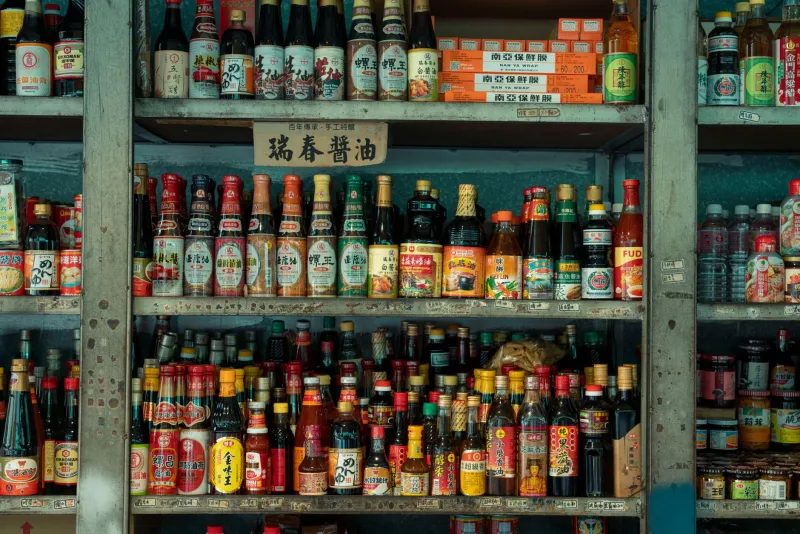
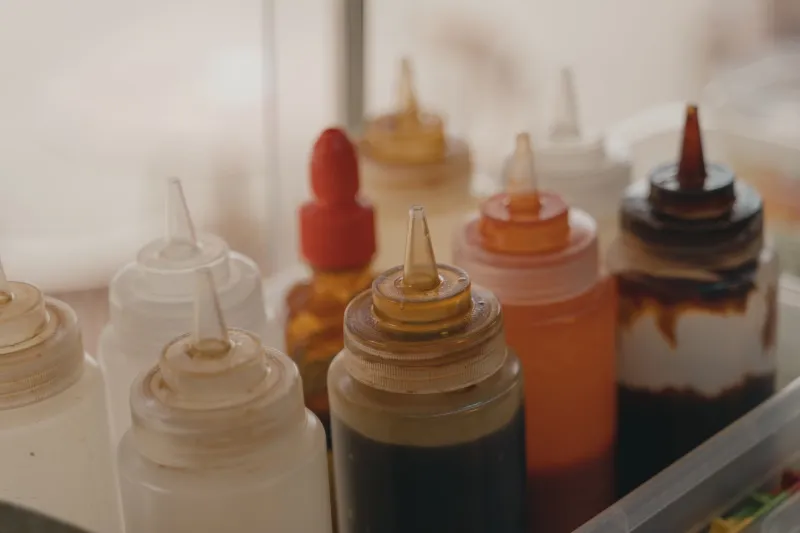
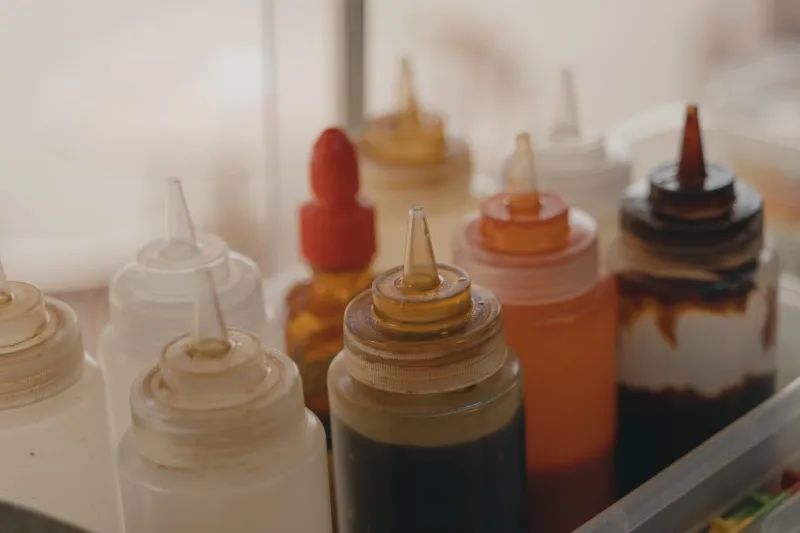
The Shelf of Good Intentions: Why Hot Sauce Collectors Can't Stop Buying Bottles They'll Never Finish
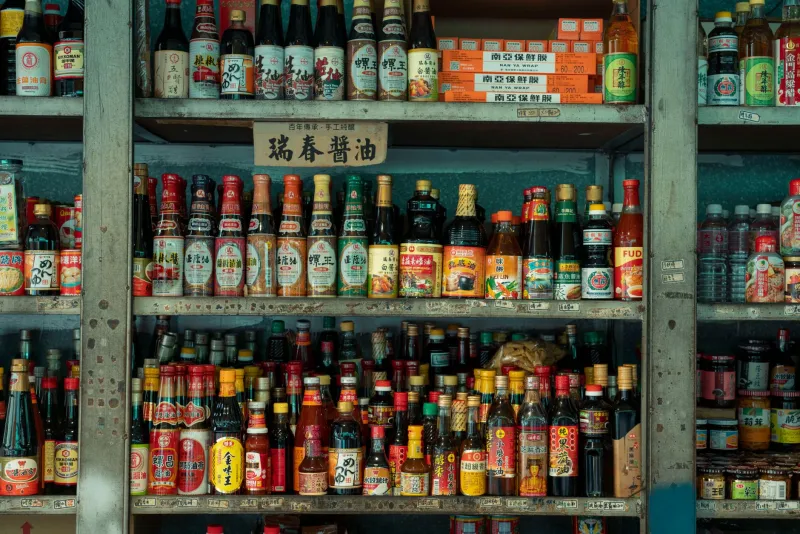
The Bottle That Never Gets Opened
Somewhere in your kitchen right now, there's a hot sauce you bought with serious intentions. Maybe you grabbed it at a farmers market, charmed by the hand-drawn label. Maybe it showed up in a limited-edition drop email and you clicked "add to cart" before you even finished reading the subject line. Either way, it's been sitting there for four months, still sealed, slowly becoming part of the furniture.
You're not a hoarder. You're not wasteful. You're just a hot sauce person — and hot sauce people have a specific, deeply human problem with accumulation.
Let's talk about what's actually going on.
Your Brain Treats Hot Sauce Like a Collectible
Here's the thing behavioral economists have known for decades: the act of acquiring something and the act of using it scratch completely different psychological itches. Buying a bottle of small-batch habanero mango sauce feels like an event. Opening it and putting it on scrambled eggs on a Tuesday morning? That's just Tuesday.
Researchers call this the "acquisition utility" versus "transaction utility" split. The purchase itself delivers a hit of satisfaction — you found something interesting, you made a decision, you secured it before it was gone. The using of it is almost anticlimactic by comparison.
For hot sauce specifically, this effect gets amplified by the collector culture that's grown up around the category. When shelves become shrines and Instagram feeds are curated around sauce lineups, the bottle takes on a kind of trophy status. It represents something — a trip you took, a brand you discovered early, a flavor adventure you're planning to go on someday. Cracking it open means consuming that meaning along with the contents.
FOMO Marketing Is Doing a Lot of Heavy Lifting Here
The hot sauce industry — and Sam's is not going to pretend we're innocent bystanders here — has gotten very good at manufacturing urgency. "Limited batch." "Only 200 bottles made." "This one won't come back." These aren't just marketing phrases; they're psychological triggers designed to short-circuit your rational purchasing brain.
Fear of missing out is a documented driver of impulse buying, and food products have leaned into it hard over the past decade. The result is a consumer who buys not because they need another bottle but because they're afraid of the version of themselves who didn't buy it. That person missed out. That person will regret it.
The problem is that this logic compounds. Every limited release, every collab bottle, every regional sauce you've never seen outside of a specific city — they all feel urgent. And so the shelf fills up.
The Food Waste Math Nobody Wants to Do
Here's where it gets a little uncomfortable. The USDA estimates that American households waste roughly 30 to 40 percent of their food supply. Condiments are a particularly quiet offender — they don't expire dramatically, they don't smell bad right away, they just... linger. A hot sauce opened once and pushed to the back of the fridge can coast for months before anyone acknowledges it's not going to get used.
When you factor in the bottles that never get opened at all, the waste picture gets worse. And for artisanal hot sauces — the ones made in small batches with real ingredients and no shelf-stabilizing shortcuts — the clock is ticking faster than you might think. Fermented sauces lose complexity over time. Fresh pepper sauces can turn. That bottle you're "saving for the right moment" may have already peaked.
The right moment was probably three months ago.
The Aspirational Pantry Problem
There's a concept in consumer psychology sometimes called the "aspirational pantry" — the collection of ingredients you own not for who you are but for who you imagine yourself becoming. The truffle oil you bought when you thought you'd start cooking more seriously. The specialty vinegar from that cooking class you took once. Hot sauce fits right into this category.
When you buy a ghost pepper sauce with a skull on the label, part of you is buying an identity: you're the person who can handle that. You're adventurous. You eat things other people can't. Whether or not you ever actually open it, you've purchased a little piece of that self-image.
None of this is pathological. It's just human. But it does mean your hot sauce shelf might be doing more psychological work than culinary work — and that's worth knowing.
How to Actually Use What You Buy (Without Becoming a Monk About It)
The goal here isn't to guilt you into never buying another bottle. The goal is to help you get more out of the ones you actually have. A few approaches that genuinely work:
Rotate on purpose. Pick two or three bottles to keep active at a time — one on the counter, one in the fridge, one as a backup. When one empties, pull the next. Treat it like a playlist, not a museum.
Buy with a use in mind. Before you click "buy" on that small-batch Carolina Reaper sauce, ask yourself: what am I going to put this on? If you can't answer that question with something specific, that's a sign you're buying for the acquisition high, not because you actually need it.
Set a shelf cap. Decide on a number — maybe it's eight bottles, maybe it's twelve — and don't let yourself go over it without finishing something first. This sounds rigid, but it actually makes buying feel more intentional and satisfying.
Use the "good stuff" now. Stop saving your favorite bottles for special occasions that never quite materialize. The weeknight taco is a special occasion. The Sunday morning eggs are a special occasion. Your sauces are meant to be eaten.
Audit twice a year. Go through your collection, check dates, smell things, actually look at what you have. You'll be surprised how many bottles you'd forgotten about — and how many you're genuinely excited to rediscover.
The Shelf Should Be a Pantry, Not a Promise
At Sam's, we make sauces because we want people to use them — on everything, constantly, without ceremony. The best hot sauce isn't the one aging gracefully on your shelf. It's the one that made last night's dinner better than it had any right to be.
The next time a limited-edition bottle catches your eye, pause for just a second. Ask yourself whether you're buying heat or just buying the idea of heat. If it's the real thing — if you can picture exactly where that sauce belongs in your kitchen — add it to the cart and don't look back.
But if it's mostly about not missing out? Your shelf will thank you for waiting.