What's Really Happening Inside That Year-Old Hot Sauce Bottle
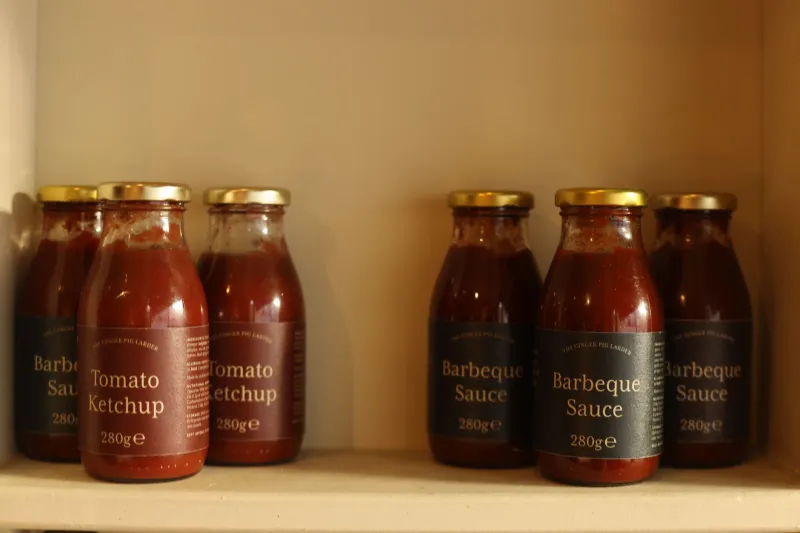
You reach for that bottle you bought at a farmers market fourteen months ago — the one with the hand-drawn label and the smug little pepper mascot — and something feels off. The color's a little darker. The heat hits differently. The brightness that made you buy a second bottle on the spot? Gone, or at least muted. You shake it, sniff it, taste it. Still good, maybe. But different.
You're not imagining it. Hot sauce changes over time, sometimes dramatically, and the reasons why are buried in chemistry that most manufacturers have zero incentive to explain. So let's dig in.
The Date on the Bottle Is Only Half the Story
Best-by dates on hot sauce are, in many cases, conservative legal estimates rather than precise expiration warnings. Vinegar-based sauces especially tend to outlast their labels by months or even years because the acidity creates a genuinely hostile environment for harmful bacteria. The FDA doesn't mandate expiration dates on most condiments, which means brands set their own timelines — and those timelines often have more to do with liability and marketing than actual spoilage.
That said, "safe to eat" and "tastes the same as the day you bought it" are two very different standards. A sauce that won't make you sick might still be a shadow of its former self. Understanding the gap between those two things is where it gets interesting.
Oxidation: The Flavor Thief You Can't See
Every time you open a bottle, oxygen gets in. That oxygen starts reacting with the compounds responsible for flavor and color — and not always in ways you'd want. Capsaicin itself is relatively stable and doesn't degrade quickly, which is why the heat often outlasts the flavor. But the aromatic compounds — the fruity esters, the smoky phenols, the bright acids — those are far more vulnerable.
In fruit-forward sauces made with mango, pineapple, or citrus, oxidation can strip out the tropical brightness within months of opening. What started as a punchy, vibrant sauce starts tasting flat and almost jammy. It's not ruined, exactly. It's just become a different sauce.
Hot sauces with a higher vinegar content oxidize more slowly because the acidic environment slows enzymatic breakdown. Fermented sauces have a slight edge too — the lactic acid produced during fermentation acts as a natural preservative that gives them more staying power in the flavor department.
The Settling Problem Nobody Talks About
Shake before use. It's right there on the label. But here's what that instruction is quietly admitting: the ingredients in your hot sauce are separating, and what's floating vs. what's sunk to the bottom matters more than you might think.
Many artisanal hot sauces are not fully homogenized the way mass-market products are. That means the solids — pepper pulp, spice particles, fruit chunks — gradually sink, while the liquid, including a good chunk of the vinegar and water-soluble flavor compounds, rises to the top. If you pour from an unshaken bottle, you're getting a skewed version of what the maker intended. Over time and repeated partial pours, that ratio shifts permanently.
This is especially true for thicker, mash-style sauces. The separation isn't a defect — it's physics. But it does mean that the last quarter of a bottle often tastes noticeably different from the first pour, regardless of how old the sauce is.
When Aging Actually Works in Your Favor
Here's the twist: not all chemical evolution is bad. Some hot sauces genuinely improve with time, and a small but passionate subset of condiment enthusiasts have figured this out.
Fermented sauces are the clearest example. A lacto-fermented pepper mash that's been sitting in a sealed bottle for six to twelve months can develop a deeper, more complex funk that wasn't there at bottling. The same microbial activity that makes aged cheese or fine wine interesting can do something similar in a well-made fermented hot sauce — rounding out sharp edges and building layered flavor.
Sauces built around dried chiles — anchos, chipotles, mulatos — also tend to age gracefully. The fat-soluble compounds in dried peppers are less reactive than those in fresh ones, and the earthy, chocolatey notes in those chiles can actually deepen over time rather than fade.
Even some vinegar-forward Louisiana-style sauces develop a mellower, more integrated character after a year or two. The sharp bite of fresh vinegar softens, and the pepper flavor becomes more prominent rather than being overshadowed by acid. Whether that's better is subjective — but it's a real phenomenon.
Color Changes: What They're Actually Telling You
If your hot sauce has gone from bright red to a brownish-rust tone, that's not automatically a red flag. It's oxidation at work on the carotenoid pigments responsible for the red and orange hues in peppers. Capsanthin and capsorubin — the compounds that give red peppers their color — are sensitive to light and air exposure. When they degrade, the color shifts toward brown.
Light is a bigger culprit than most people realize. A sauce stored in a clear bottle on a sunny countertop will discolor significantly faster than the same sauce stored in a dark pantry. This is why some high-end producers use amber glass or opaque packaging — it's not just aesthetics.
Color change alone doesn't mean the sauce is bad. But combined with a muted flavor profile and a noticeably different texture, it's a signal that the sauce has moved past its peak window.
How to Actually Store Hot Sauce If You Care About Flavor
The pantry is fine for short-term storage, but if you're sitting on a bottle you genuinely love — especially something fermented, fruit-forward, or artisanal — the refrigerator is your friend. Cold temperatures slow oxidation and enzymatic activity significantly, which means your sauce holds onto its original character much longer.
A few other things worth doing:
- Keep it out of direct light. A cabinet beats a countertop every time.
- Wipe the neck of the bottle clean before capping. Residue around the opening oxidizes and can affect the flavor of future pours.
- Don't double-dip or pour back into the bottle. Introducing contaminants accelerates degradation.
- Actually use your sauces. A bottle you finish in two months will always taste better than one you nurse for two years.
The Bottom Line
That year-old bottle isn't necessarily past its prime — but it probably isn't the same sauce you fell in love with either. Whether that's a problem depends entirely on what's changed and whether the evolution works in the sauce's favor.
Some sauces age like a cheap airport wine. Others age like something you'd actually save for a special occasion. The difference comes down to ingredients, production method, storage conditions, and a fair amount of luck.
At Sam's Spicy Sauces, we think the best hot sauce is the one you're actually tasting — not the one you're saving for later. So crack it open, pay attention to what you're noticing, and if something tastes off, trust your palate. It knows more than the label does.